Introduction
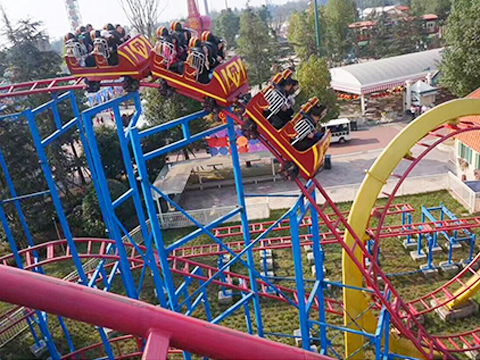
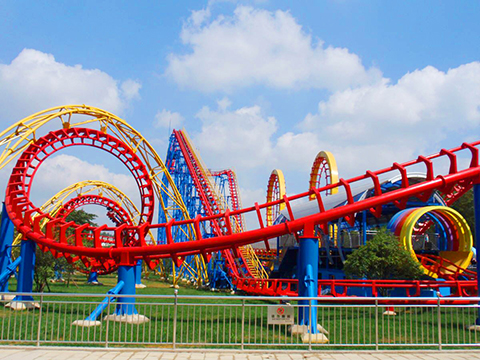
Efficient visitor movement is a core component of modern park operations. When park pathways become congested, queues lengthen, frustration grows, and operational costs rise. A well-engineered wayfinding system mitigates these issues by providing clear, intuitive guidance—transforming a potentially chaotic environment into an orderly, enjoyable experience. From the moment guests enter a park filled with attractions such as a funfair ride, an amusement park carousel, a ferris wheel ride, or other amusement ride for sale, the clarity of directional cues shapes how efficiently they navigate the space.
This article examines how a robust wayfinding framework enhances park efficiency by influencing visitor psychology, infrastructure utilization, and overall operational throughput.
1. Establishing a Cohesive Visual Language
A wayfinding system must begin with a unified visual identity. Typography, color palettes, iconography, and spatial placement work as a cohesive communication mechanism.
Short, high-visibility words and simplified symbols accelerate cognitive recognition. Visitors should instantly understand directional meaning without reading lengthy text. In a park with multiple zones—family attractions, thrill-based installations, or classic structures like a ferris wheel ride—color-coded district labeling prevents disorientation.
A coherent visual language reduces decision-making time, which directly improves walking flow. When navigation becomes intuitive, crowd dispersion occurs naturally across the park.
2. Enhancing Guest Decision-Making at Critical Nodes
Choke points often appear at intersections, attraction clusters, and transitional zones. These locations require heightened claritStrategically placed sign assemblies help redistribute foot traffic. When visitors approach a cluster containing an amusement park carousel, a kids’ funfair ride, and a classic spinning attraction, signage should identify queue entrances, estimated walking distances, and directional arrows with strong visual hierarchy.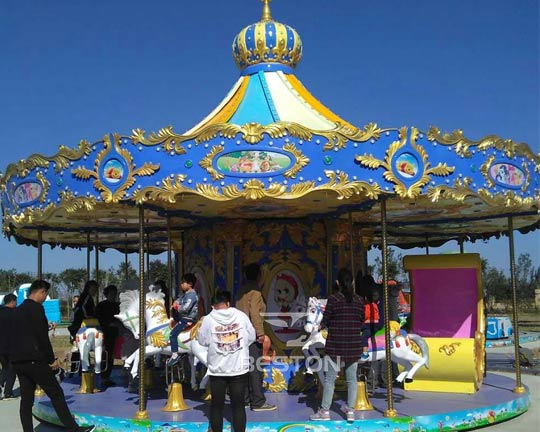
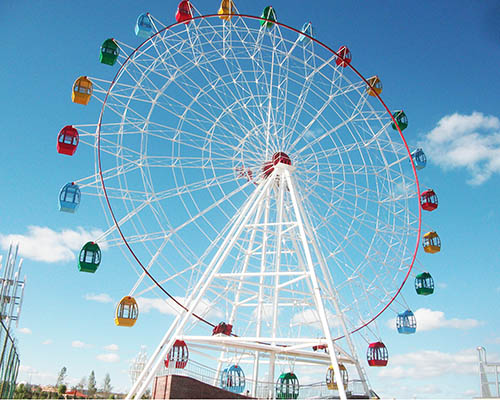
For larger installations—such as a ferris wheel ride with a high vantage point—wayfinding should include sightline-based guidance. If guests can visually spot an attraction but cannot identify the correct approach route, inefficiencies emerge. Corrective signage resolves these misconceptions.
3. Reducing Queue Congestion Through Predictive Guidance
Queue buildup is one of the most significant contributors to operational inefficiency. A well-built wayfinding system uses predictive guidance to deter unnecessary clustering.
Real-time digital displays positioned along main corridors can show wait times, recommended alternatives, or traffic density levels. When the queue for a popular amusement ride for sale (e.g., a launch coaster or swing tower) becomes saturated, visitors can be directed to secondary attractions instead. This broadens distribution, avoids bottlenecks, and safeguards guest satisfaction.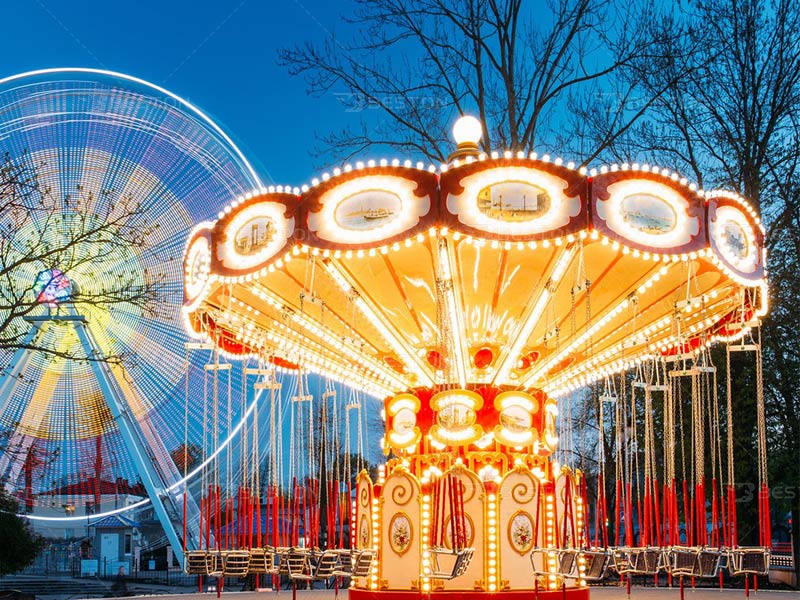
Short messages—“10-minute walk to the carousel,” “Low wait time at the VR theater,”—provide actionable insights. These messages reduce pressure on high-demand zones and maintain consistent ride utilization across the park.
4. Improving Emergency Routing and Operational Safety
A sophisticated wayfinding system plays a critical role in safety management. Emergency routes, evacuation paths, and service-only zones must be unambiguous.
Clear pathways allow staff and emergency responders to act quickly during operational interruptions. For example, if a funfair ride experiences a brief technical delay, crowd control markers and alternative route indicators prevent guest clustering and maintain a calm atmosphere.
Wayfinding signage should also guide guests toward first-aid stations, rest areas, and information hubs. Clear labeling of these functional spaces reduces staff workload and improves response efficiency.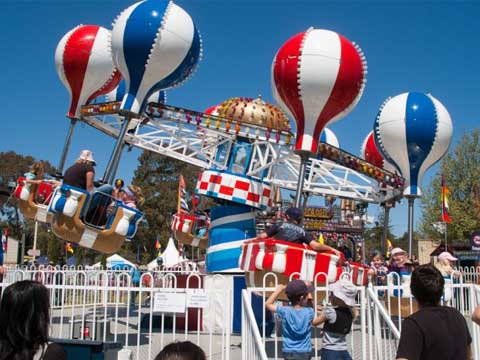
5. Leveraging Technology for Smarter Guest Navigation
Technological integration enhances the precision and adaptability of a wayfinding system.
5.1 Mobile-Assisted Navigation
Smartphone-based maps give guests personalized routing. Combined with GPS beacons or Bluetooth triangulation, visitors can identify the fastest path to a desired attraction, such as an amusement park carousel or ferris wheel ride. Micro-adjustments in real-time navigation improve overall path efficiency.
5.2 Dynamic Signage and Information Panels
LED panels positioned at major intersections can adapt to shifting traffic conditions. During peak hours, these screens can redirect visitors toward less crowded entertainment zones. Fast-updating visuals reduce reliance on static installations and extend the longevity of the navigation system.
5.3 Data-Driven Layout Optimization
Movement patterns generated by sensors and visitor apps help park operators redesign routes, reposition signage, or adjust attraction scheduling. Data analytics identifies problematic bottlenecks, allowing targeted improvements.
6. Ensuring Accessibility for All Visitors
A well-constructed wayfinding system enhances inclusivity. Parks must accommodate visitors of different ages, abilities, and cultural backgrounds.
-
Multilingual signage reduces linguistic barriers.
-
Contrasting colors help visually impaired guests identify directional cues.
-
Pictogram-based indicators communicate universally across demographics.
When parents escort children toward a gentle funfair ride or a slow-paced amusement park carousel, signage must be legible from short distances and at child-friendly heights. Similar accommodations help elderly visitors and those with mobility challenges navigate safely.
7. Integrating Wayfinding Into Themed Environments
Amusement parks depend on immersive storytelling. Wayfinding should support, not disrupt, thematic continuity.
For fantasy-themed zones, signage can incorporate stylized borders, textured materials, or custom icons—without sacrificing clarity. Minimalistic graphic overlays keep the navigation system intuitive while maintaining the narrative ambiance.
Even when guiding guests to prominent attractions such as a ferris wheel ride or a region-specific thrill installation, signage must blend organically with the environment. This balance enhances visitor enjoyment without compromising orientation.
8. Optimizing Placement for Maximum Visibility
Even the most visually appealing sign is ineffective if poorly positioned. Placement strategy requires careful evaluation of sightlines, pedestrian speed, lighting conditions, and behavioral patterns.
-
Entrance gates should include macro-level maps.
-
Corridor segments must provide repeated confirmations.
-
Queue entrances require high-contrast identifiers.
-
Open plazas benefit from overhead markers or tall pylons visible above crowds.
The objective is to minimize hesitation. When guests instantly recognize their direction, park circulation remains smooth and uninterrupted.
9. Supporting Commercial Efficiency
Wayfinding also influences retail and food-service traffic. Clear directional prompts increase exposure to restaurants, kiosks, and gift shops positioned near popular attractions such as a carousel or a ferris wheel ride.
Subtle cues—arrows, distance markers, or zone labels—encourage natural movement past commercial areas without appearing intrusive. This improves both guest convenience and revenue generation.
Conclusion
A refined wayfinding system is more than a collection of signs. It is a behavioral architecture that shapes how visitors perceive, navigate, and enjoy a park. When designed with technical precision, it enhances circulation efficiency, reduces bottlenecks, and strengthens overall guest satisfaction. Whether guests seek an iconic ferris wheel ride, a classic amusement park carousel, or a modern amusement ride for sale, intuitive navigation ensures they reach their destinations quickly and comfortably.
Well-implemented wayfinding is a long-term infrastructure investment. It elevates operational performance, supports safety, and ensures that every visitor—regardless of age or familiarity with the park—can explore confidently and efficiently.